- +44 20 80 88 58 88
- info@citihomeswindows.co.uk
- Unit 3, Alpine Business Center, Eastbury Road, London E6 6LP

Menu
Casement Windows
The most popular window style in the UK.
Casement windows are the most widely specified window type across the UK and have been a staple of British architecture since the medieval period. Hinged at the side and opening outward like a door, they suit almost every property type – from Victorian terraces and Edwardian semis to contemporary extensions and new builds across London. They are versatile, highly energy efficient, easy to operate and available in a wide range of materials, styles and finishes.
What is a casement window?
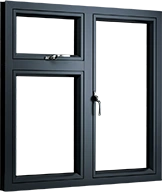
A casement window is a window that is attached to its frame by one or more hinges, usually at the side, and opens outward using a handle or crank mechanism. Unlike a sash window, which slides vertically, a casement window swings open to allow maximum ventilation. When closed, the sash presses firmly against the frame, creating a tight draught-resistant seal that makes casement windows one of the most thermally efficient window types available.
Casement windows have been installed in British homes for centuries and remain the most common choice today because of their practicality, adaptability, and clean appearance. Modern casement windows are significantly more advanced than older designs, with improved glazing, sealing systems, multi-point locking, and slimmer profiles available across all material types.
Types of casement windows
We work with leading manufacturers and brands to supply a full range of casement window styles for London homes:
-
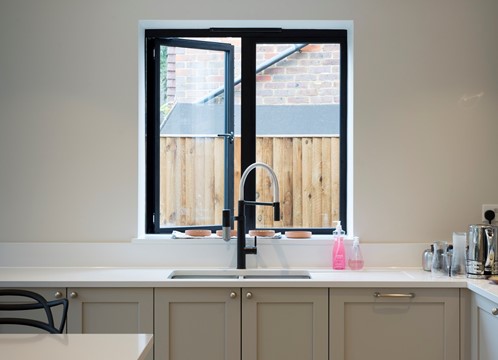
Side-hung casement windows
The standard casement, hinged at the side and opening outward. Available as a single sash or paired as a double casement in one frame. The most widely used window type across London properties.
-
Flush casement windows
The sash sits flush with the outer face of the frame, creating a flat, seamless appearance. Particularly popular for period properties, conservation areas and heritage-sensitive projects where a traditional timber look is required.
-
Top-hung casement windows
Hinged at the top and opening outward from the bottom. Ideal for upper floors, bathrooms and rooms where privacy is needed but ventilation is still important. Often combined with a fixed light below.
-
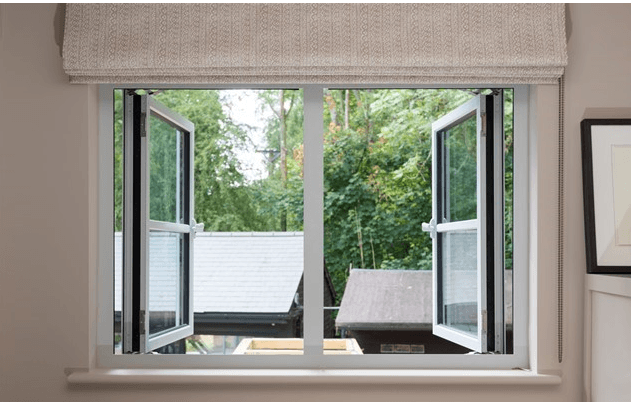
French casement windows
A paired casement with no central mullion, opening fully outward from the centre. Creates a wide, unobstructed opening and works beautifully as a garden-facing or balcony window. Also known as french windows.
-
Tilt and turn windows
Technically a casement variant, hinged at the side for full opening and at the bottom for tilt ventilation. Popular in contemporary London homes and upper-floor installations where safe cleaning from inside is essential.
-
Fixed light casement windows
A non-opening sash set within a casement frame, used alongside opening lights to maximise glass area. Common in large glazed walls, stairwells and contemporary extensions.
The brands we work with





Benefits of casement windows
Casement windows remain the most popular window type in the UK for a reason. Here is why homeowners and architects continue to specify them:
-
Maximum ventilation
The full sash opens outward, allowing more airflow than any other hinged window style. Ideal for kitchens, living rooms and bedrooms.
-
Excellent energy efficiency
When closed, the sash compresses tightly against the frame seal, minimising draughts and heat loss. Compatible with double and triple glazed window units.
-
Strong security
modern casement windows use multi-point locking systems embedded within the frame. All windows we supply can be specified to PAS 24 security standards.
-
Versatile design
Available in side-hung, top-hung, flush and French configurations to suit any room, elevation or architectural style.
-
Slim sightlines
Modern profiles in aluminium and composite offer very slim frames, maximising the glass area and light entering the room.
-
Easy to clean
The sash opens fully outward, making it straightforward to clean both faces of the glass from inside the property on most ground and first-floor installations.
-
Wide material choice
Available in aluminium, timber and composite, meaning casement windows can be matched precisely to the character of the property and the performance requirements of the project.
-
Low maintenance
Particularly in aluminium and composite, where the exterior requires little beyond occasional cleaning.
-
Suitable for most room types
Kitchens, bedrooms, living rooms, bathrooms and studies all benefit from the ventilation and light a casement provides.
When casement windows are the right choice
Current aluminium window systems use thermal breaks and modern glazing to support comfortable indoor temperatures and good acoustic performance. There is scope to choose glazing according to how each elevation is exposed to weather and noise.
Victorian, Edwardian and Georgian properties – flush casements in timber or composite replicate original profiles accurately and are widely accepted by planning authorities and conservation officers.
Contemporary extensions and new builds – slim aluminium casement windows complement modern architecture and offer maximum glass area with minimal frame.
Side and rear elevations – where full ventilation and ease of opening are priorities.
Ground and first-floor rooms – where outward opening is practical and safe.
Conservation areas and listed buildings – flush timber or composite casements can be specified to match original window details and support planning consent applications.
Rooms needing good natural ventilation – kitchens, bathrooms and bedrooms benefit particularly from the full-opening casement design.
Available in a range of materials
-
Aluminium casement windows
Slim, durable and low maintenance. Available in a full RAL colour range with powder-coated or anodised finishes. Ideal for contemporary London architecture and extensions. Brands we work with include Reynaers, Cortizo and Schüco.
-
Timber casement windows
The traditional choice for period properties and conservation areas. Available in engineered redwood, oak, Accoya and other hardwoods. Factory finished using microporous paints and stains.
-
Composite casement windows
Combine a natural timber interior with a durable aluminium exterior. Outstanding thermal performance, minimal maintenance and available from Velfac, Rationel and Schüco.
Finishes, hardware and security
Finishes & colours
Casement windows are available in a full RAL colour range across all material types. Dual colour finishes, with a different shade inside and out, are popular across London renovations, keeping a classic white or timber tone inside whilst using an anthracite grey, black, or sage green externally.
Glazing options
All casement windows we supply are available with:
Double glazing – the standard choice for most London homes, meeting current building regulations for thermal performance and covering most double glazing windows near me requirements.
Triple glazing – triple glazed window units for positions near busy roads, rail lines or where enhanced acoustic and thermal performance is needed.
Acoustic glass – laminated units for noise-sensitive urban locations.
Hardware & security
All casement windows are fitted with multi-point locking mechanisms, with handle styles ranging from traditional cockspur and monkey tail designs to contemporary bar handles and espagnolette systems. Restrictors, child safety locks and night vent positions are available on request. All windows can be specified to PAS 24.
Posted on GoogleTrustindex verifies that the original source of the review is Google. A good and personal service. Linas is approachable and does whatever he can to meet our needs. The fitters are friendly and professionalPosted on GoogleTrustindex verifies that the original source of the review is Google. Linas provided an excellent service from start to finish with the supply and installation of our VELFAC windows. He was professional, knowledgeable and always easy to communicate with. The installation was completed to a very high standard, and we are extremely happy with the final result. Highly recommended!Posted on GoogleTrustindex verifies that the original source of the review is Google. We hired Citi Homes to replace a window with a new door into our garden. The communication was great from the start, their quote was competitive, and they resolved all our queries. They told us what they were going to do, when, and then they delivered exactly what we agreed on time. Their team was very professional and hard working. We are very pleased with the result and how Citi Homes conducted themselves. I'm saving their number for any future works we might have to do, as I've had plenty of bad experiences with bad contractors before... it's a pleasure when you finally find someone that knows their trade, are proud of their work and accountable.Posted on GoogleTrustindex verifies that the original source of the review is Google. Did a great job installing and making good, very clear about timelines and what was going to happen, would recommendPosted on GoogleTrustindex verifies that the original source of the review is Google. Very happy with the service provided from Linas and his team at Citi Homes Windows. We had to replace 3 fire damaged Velfac windows over 22 years old , it was a challenge getting all the right specifications but from enquiry to ordering, and shipping the whole process was made easy because of their professionalism, I would definitely recommend Citi Homes Windows
FAQ
A casement window is hinged at the side and opens outward like a door. A sash window slides vertically within the frame. Sash windows are typically associated with Georgian and Victorian period homes on principal elevations, whilst casement windows are more versatile and widely used across all property types and elevations.
Yes, in many cases. Flush casement windows in timber or composite, with slim profiles and glazing bar details, are widely accepted by local planning authorities in conservation areas across London. We recommend checking with your local authority before ordering.
Quality casement windows in aluminium or composite typically last 40 years or more with minimal maintenance. Timber casement windows with quality factory finishes can last 50 years or more when maintained correctly. All windows we supply come with a manufacturer's warranty.
Like-for-like replacements generally do not require planning permission in standard residential properties. However, properties in conservation areas or listed buildings may require prior approval or listed building consent.
Double glazing window costs for casements vary depending on the material, size, glazing and specification. Aluminium is typically the most competitively priced premium option, whilst timber and composite sit higher depending on the system chosen. Contact us for a tailored windows installation price.