- +44 20 80 88 58 88
- info@citihomeswindows.co.uk
- Unit 3, Alpine Business Center, Eastbury Road, London E6 6LP

Menu
Roof lanterns
Bring the sky indoors. The most dramatic way to light an extension
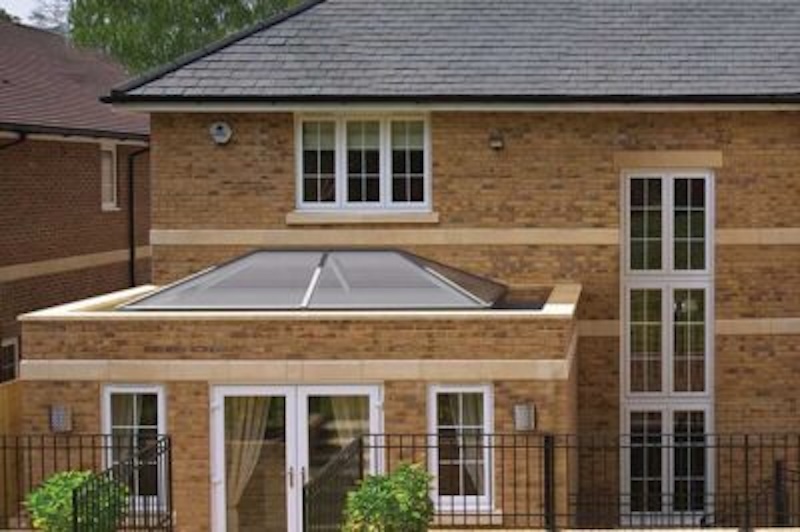
A roof lantern transforms a room from the top down. Installed on a flat or low-pitched roof, a roof lantern rises above the roofline as a glazed pyramid or elongated rectangular structure, allowing natural light to pour in from every angle – including from the sides, where a flat rooflight cannot reach. The result is a room that feels taller, brighter, and more connected to the sky above, regardless of which direction the elevation faces. For London kitchen extensions, open-plan living spaces, orangeries, and garden rooms, a well-specified roof lantern is one of the most effective single interventions available.
We work with leading manufacturers to supply and install bespoke aluminium roof lanterns across London, helping you choose the right size, profile, and glazing for your project.
What is a roof lantern?
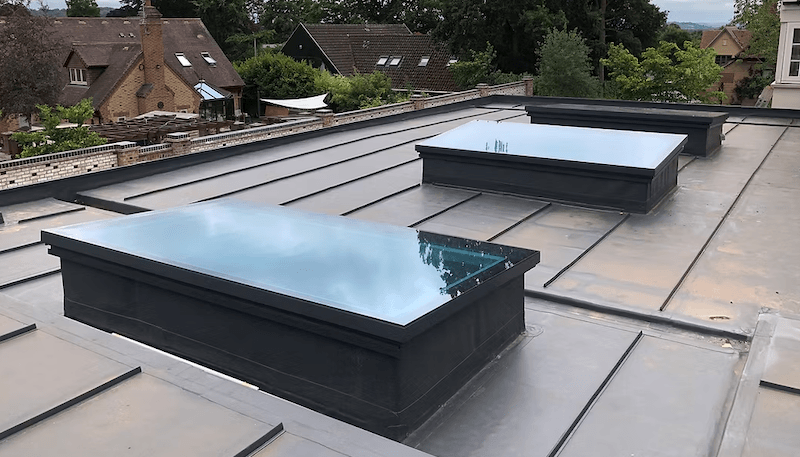
A roof lantern is a raised, multi-panel glazed structure installed on a flat or very low-pitched roof. Unlike a flat rooflight or skylight, which sits flush within the roof plane, a roof lantern projects upward, typically in a pyramid, ridge, or elongated rectangular form, creating additional ceiling height and allowing light to enter from multiple angles simultaneously.
The raised structure means light reaches further into the room and at lower angles during the morning and evening, when the sun is closer to the horizon – making roof lanterns particularly valuable in north-facing extensions and deep-plan rooms where wall windows alone cannot provide adequate daylight.
Roof lanterns are distinct from skylights and rooflights, which are flat and integrated flush into the roof slope. A roof lantern is an architectural statement as well as a functional element – visible from outside as a projecting glazed structure and from inside as a dramatic vaulted centrepiece that draws the eye upward.
Types of roof lanterns
We supply a full range of roof lantern configurations suited to different extension types, room sizes, and architectural styles:
-
Rectangular ridge roof lanterns
The most widely specified format. An elongated rectangular structure with a central ridge, sloping glazed panels on each long face and vertical or near-vertical end panels. Suited to most kitchen extensions, open-plan dining rooms and garden rooms.
-
Pyramid roof lanterns
A square or near-square lantern with four symmetrically sloping glazed panels meeting at a central apex. A striking architectural form particularly suited to square rooms, hallways and orangery-style spaces.
-
Octagonal roof lanterns
An eight-sided lantern form associated with classical orangery and Victorian conservatory architecture. Available as a bespoke option for formal or period-influenced extensions.
-
Bespoke roof lanterns
Custom-sized and shaped lanterns for non-standard openings, unusual room proportions and architect-designed extensions. Aluminium construction allows considerable flexibility in size and profile.
-
Roof lanterns with opening vents
Roof lanterns with one or more opening ridge or side panels for natural ventilation. Essential for kitchens and rooms where passive ventilation is needed without a wall window.
-
Heritage and conservation-style roof lanterns
Slim-bar profiles with traditional glazing bar patterns and painted or powder-coated finishes suited to period extensions, orangeries and conservation area projects.
The brands we work with



Benefits of roof lanterns
Roof lanterns offer a distinct set of advantages that few other glazing products can match for flat-roof extensions:
-
Exceptional natural light from multiple angles
Because the glazed panels slope inward from all sides, light enters the room from a wide arc throughout the day. Even north-facing extensions receive direct sky light.
-
Greater ceiling height and sense of space
the raised structure adds visual volume to the room below, making even a compact kitchen extension feel significantly more spacious and open.
-
Dramatic architectural focal point
From inside, the lantern creates a stunning centrepiece. From outside, it adds elegance and architectural interest to an otherwise flat extension roof.
-
Energy efficiency
Modern aluminium roof lanterns with thermally broken frames and double or triple glazing contribute positively to the thermal envelope of the extension. The solar gain from the glazed roof area can reduce heating demand during daylight hours.
-
Low maintenance
The sloped glazed panels shed water, dirt and debris naturally, keeping the glass cleaner than vertical windows and reducing the frequency of cleaning needed.
-
Bespoke sizing
Aluminium construction allows roof lanterns to be made to virtually any size, from compact kitchen lanterns above a dining table to expansive ridge structures spanning the full length of a large extension.
-
Suitable for period and contemporary properties alike
With heritage bar profiles and traditional painted finishes available alongside slim contemporary aluminium designs, roof lanterns complement both modern extensions and Victorian or Edwardian rear additions.
When roof lanterns are the right choice
Roof lanterns are particularly well suited to:
Single-storey kitchen and dining extensions – the most common application across London. A roof lantern above the kitchen island or dining table floods the heart of the home with natural light and creates a memorable interior moment.
Open-plan living spaces on flat-roofed extensions – where wall windows alone cannot provide adequate daylight to a deep or wide room.
Orangeries and garden rooms – where the lantern is part of the architectural language of the structure and adds period character to a contemporary extension.
North-facing or enclosed rear extensions – where the roof is the only surface that receives direct sky light. A roof lantern can transform a previously dark space into one of the brightest rooms in the house.
Extensions with limited wall window options – where neighbouring boundaries, planning restrictions or the room layout restrict the number or size of wall windows available.
Loft-style and open-plan conversions – where the high ceiling and exposed roof structure make a lantern a natural and dramatic focal point.
Available in these materials
-
Aluminium lanterns
Aluminium is the dominant material for roof lanterns in the contemporary UK market, and for good reason. Aluminium is strong enough to span large openings with very slim rafters and bars, maximising the glass area and minimising the shadow cast onto the room below. Modern aluminium roof lanterns use thermally broken frames with polyamide inserts to prevent cold bridging and achieve the thermal performance required under Part L of the building regulations.
-
Timber lanterns
Timber roof lanterns are available as a bespoke option for orangery-style extensions and period properties where a natural, characterful interior finish is preferred. Timber bars cast a warmer shadow and suit the character of Victorian and Edwardian rear additions particularly well.
Finishes, hardware and security
Finishes & colours
Aluminium roof lanterns are powder-coated in a full RAL colour range. Anthracite grey, matt black and heritage white are the most popular choices across London extensions. Dual colour finishes – with a different shade on the interior bars and the external profile – are available and particularly effective where the interior design calls for a warmer tone whilst the external elevation uses a bolder colour.
Glazing options
All roof lanterns we supply are available with:
Double glazing – the standard specification for most London extensions, meeting current Part L thermal requirements.
Triple glazing – triple glazed window units for maximum thermal performance, reducing heat loss through the roof and improving acoustic performance from rain noise.
Acoustic glass – laminated units that reduce rain noise and external ambient noise, particularly relevant for roof lanterns in urban London locations.
Hardware & security
Because roof lanterns are installed overhead on a flat roof, they do not present the same point-of-entry security considerations as wall windows or doors. Fixed glazed panels are inherently secure. Opening ridge vents are fitted with locking mechanisms as standard and can only be operated from inside. All glazing is toughened or laminated safety glass as standard.
Posted on GoogleTrustindex verifies that the original source of the review is Google. A good and personal service. Linas is approachable and does whatever he can to meet our needs. The fitters are friendly and professionalPosted on GoogleTrustindex verifies that the original source of the review is Google. Linas provided an excellent service from start to finish with the supply and installation of our VELFAC windows. He was professional, knowledgeable and always easy to communicate with. The installation was completed to a very high standard, and we are extremely happy with the final result. Highly recommended!Posted on GoogleTrustindex verifies that the original source of the review is Google. We hired Citi Homes to replace a window with a new door into our garden. The communication was great from the start, their quote was competitive, and they resolved all our queries. They told us what they were going to do, when, and then they delivered exactly what we agreed on time. Their team was very professional and hard working. We are very pleased with the result and how Citi Homes conducted themselves. I'm saving their number for any future works we might have to do, as I've had plenty of bad experiences with bad contractors before... it's a pleasure when you finally find someone that knows their trade, are proud of their work and accountable.Posted on GoogleTrustindex verifies that the original source of the review is Google. Did a great job installing and making good, very clear about timelines and what was going to happen, would recommendPosted on GoogleTrustindex verifies that the original source of the review is Google. Very happy with the service provided from Linas and his team at Citi Homes Windows. We had to replace 3 fire damaged Velfac windows over 22 years old , it was a challenge getting all the right specifications but from enquiry to ordering, and shipping the whole process was made easy because of their professionalism, I would definitely recommend Citi Homes Windows
FAQ
In most cases, no. The majority of roof lantern installations fall under Permitted Development in standard residential properties. However, properties in conservation areas or listed buildings may require prior approval or listed building consent, and there are specific dimensional limits that must be observed. We always recommend confirming with your local planning authority before proceeding.
Not without a structural assessment. The supporting roof structure must be capable of carrying the additional weight of the lantern, and joists or rafters may need to be modified or reinforced. A structural engineer should always be consulted as part of the installation process.
They can, particularly on south or west-facing extensions without solar control glazing. We strongly recommend specifying solar control glass for any roof lantern that receives direct sunlight for a significant part of the day. Modern solar control coatings reduce heat gain substantially whilst maintaining high visible light transmittance.
A skylight sits flush within the roof plane and is integrated at the same angle as the roof. A roof lantern projects upward above the roof surface as a raised, multi-panel glazed structure – typically pyramid or ridge-shaped. The raised form allows light to enter from multiple angles and creates additional ceiling height inside. Roof lanterns are specifically designed for flat roofs; skylights can be installed on both flat and pitched roofs.
Costs vary depending on size, material, glazing specification and any structural work required. Roof lanterns are a higher-investment product than standard wall windows, but the transformative effect on light levels and the architectural quality they bring to an extension make them a strong long-term addition. Contact us for a tailored quotation for your project.
Quality aluminium roof lanterns are built for a long service life – typically 30 years or more with minimal maintenance. All roof lanterns we supply come with a manufacturer's warranty for added peace of mind.