- +44 20 80 88 58 88
- info@citihomeswindows.co.uk
- Unit 3, Alpine Business Center, Eastbury Road, London E6 6LP

Menu
Double and triple glazed windows
The glazing inside your window matters as much as the frame around it
When most people think about new windows, they focus on the material, the style, and the colour. But the glazing unit itself, the sealed glass inside the frame, is what does the heavy lifting on energy efficiency, noise reduction, and comfort. Whether you are replacing ageing single glazed windows, upgrading existing double glazing or specifying glazing for a new build or extension, understanding the difference between double and triple glazing helps you make a decision you will benefit from every day for the next 30 years.
What is double glazing?
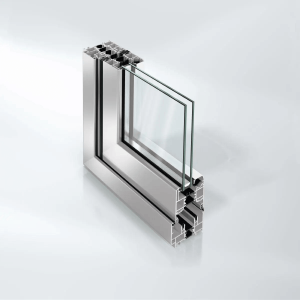
Double glazing consists of two panes of glass separated by a sealed cavity, typically filled with argon gas. This cavity acts as an insulating barrier, slowing the transfer of heat between the warm interior and the cold exterior. The wider and better-sealed the cavity, the more effective the insulation.
Modern double glazed units include several features that maximise performance:
Argon gas fill – argon is denser than air and has lower thermal conductivity, slowing heat transfer more effectively than an air gap. It is standard in all quality double glazed units and adds negligible cost.
Low-E coating – a microscopically thin metallic coating applied to one pane that reflects heat back into the room whilst allowing light to pass through freely.
Warm edge spacer bar – a thermally efficient spacer that separates the panes at the edges, reducing heat loss around the perimeter of the unit.
Sealed perimeter – the entire unit is hermetically sealed to retain the gas fill and prevent moisture ingress.
What is triple glazing?
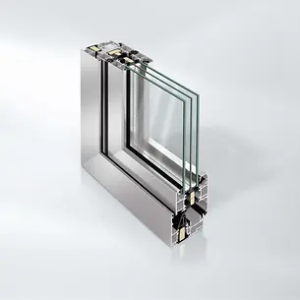
Triple glazing adds a third pane of glass to the unit, creating two separate insulating cavities instead of one. Both cavities are filled with argon gas and the additional layer of glass and gas provides a measurably higher level of thermal insulation.
Triple glazing virtually eliminates the cold radiation effect felt when sitting near a large window in winter, as the inner pane stays close to room temperature even in freezing outdoor conditions.
The trade-off is weight and cost. Triple glazed units are heavier than double glazed equivalents, which places greater demands on the frame and hinges, and they typically cost more per unit. For most standard London homes, high-quality double glazing provides an excellent balance of performance, cost, and value. Triple glazing becomes a worthwhile upgrade in specific situations.
The brands we work with







Benefits of double glazed windows
Double glazing remains the standard choice for the overwhelming majority of London window replacements and renovations. Key benefits include:
-
Reduced heat loss
Up to 70% less heat lost through the window compared to single glazing, keeping rooms warmer and reducing heating demand.
-
Lower energy bills
Less heat escaping means less energy needed to maintain comfortable indoor temperatures year-round.
-
Noise reduction
The sealed cavity absorbs and dampens sound, reducing external noise from traffic, neighbours and urban activity.
-
Reduced condensation
The inner pane stays warmer, significantly reducing the likelihood of condensation forming on the glass surface.
-
Improved security
Two panes of glass are considerably harder to break through than single glazing, and modern double glazed units are fitted with multi-point locking as standard.
-
Improved comfort
Eliminates draughts and cold spots near windows, making rooms feel more consistently comfortable throughout.
-
Compliance with building regulations
Modern double glazed units comfortably meet and exceed the current Part L requirement of 1.4 W/m²K.
When to choose triple glazing
Triple glazing is not necessary for every property, but it is a genuinely worthwhile upgrade in the following situations:
Properties near busy roads, rail lines or flight paths – the additional pane provides meaningfully better acoustic performance, reducing the intrusion of traffic, rail and aircraft noise.
North-facing rooms and extensions – where solar gain is minimal and maximum thermal retention is needed throughout the year.
Large glazed areas – picture windows, bay windows and large fixed lights lose more heat per unit area simply by virtue of their size. Triple glazing reduces this heat loss proportionally.
Passivhaus and low-energy builds – triple glazing is often a requirement for projects targeting Passivhaus certification or very low EPC ratings, where every component of the thermal envelope matters.
Exposed or elevated London properties – upper floors, rooftop extensions and corner positions that experience more wind and thermal exposure benefit from the additional insulation layer.
Rooms where comfort near the glass is a priority – home offices, reading rooms and bedrooms where people spend long periods seated close to windows benefit noticeably from the elimination of cold radiation.
Which window styles can be double or triple glazed?
All window styles we supply are available with double or triple glazing as standard. This includes casement windows, sash windows, tilt and turn windows, bay windows, French windows, fixed light and picture windows, and roof lanterns. The choice of glazing is independent of the window style – we help you select the right specification for each position in the home based on orientation, noise exposure, thermal requirements, and budget.
Which materials work with double and triple glazing?
Double and triple glazing is available across all three frame materials we supply. Aluminium windows with thermally broken frames and double or triple glazing achieve excellent U-values with ultra-slim sightlines. Timber windows combine the natural insulation of the timber frame with modern glazing units for outstanding whole-window thermal performance. Composite windows – with a timber interior and aluminium exterior – pair the best of both materials with high-performance glazing to achieve some of the lowest U-values available in residential windows.
Posted on GoogleTrustindex verifies that the original source of the review is Google. A good and personal service. Linas is approachable and does whatever he can to meet our needs. The fitters are friendly and professionalPosted on GoogleTrustindex verifies that the original source of the review is Google. Linas provided an excellent service from start to finish with the supply and installation of our VELFAC windows. He was professional, knowledgeable and always easy to communicate with. The installation was completed to a very high standard, and we are extremely happy with the final result. Highly recommended!Posted on GoogleTrustindex verifies that the original source of the review is Google. We hired Citi Homes to replace a window with a new door into our garden. The communication was great from the start, their quote was competitive, and they resolved all our queries. They told us what they were going to do, when, and then they delivered exactly what we agreed on time. Their team was very professional and hard working. We are very pleased with the result and how Citi Homes conducted themselves. I'm saving their number for any future works we might have to do, as I've had plenty of bad experiences with bad contractors before... it's a pleasure when you finally find someone that knows their trade, are proud of their work and accountable.Posted on GoogleTrustindex verifies that the original source of the review is Google. Did a great job installing and making good, very clear about timelines and what was going to happen, would recommendPosted on GoogleTrustindex verifies that the original source of the review is Google. Very happy with the service provided from Linas and his team at Citi Homes Windows. We had to replace 3 fire damaged Velfac windows over 22 years old , it was a challenge getting all the right specifications but from enquiry to ordering, and shipping the whole process was made easy because of their professionalism, I would definitely recommend Citi Homes Windows
FAQ
Double glazing uses two panes of glass with one insulating cavity. Triple glazing uses three panes with two cavities. Triple glazing achieves better U-values, better noise reduction and eliminates cold spots near the glass – but costs more and is heavier.
For most standard London homes, high-quality double glazing provides excellent performance at better value. Triple glazing is worth the investment for properties near busy roads or rail lines, large glazed areas, north-facing rooms, Passivhaus builds and properties where comfort near the glass is a particular priority.
Double glazing window costs vary depending on a number of factors:
Frame material – aluminium, timber and composite all sit at different price points, with composite and specialist timber systems at the premium end.
Window size and style – larger windows and more complex styles such as bay windows or shaped fixed lights cost more than standard casements.
Glazing specification – triple glazing, acoustic glass and solar control glass all carry a premium over standard double glazing.
Number of windows – larger orders typically offer better value per unit.
Installation requirements – structural work, conservation area requirements or listed building specifications may affect the overall cost.
We do not display fixed prices because every project is different. Contact us for a tailored quotation based on your specific requirements, and we will provide a clear, itemised windows installation price that covers supply, delivery and installation across London.
In some cases, yes – if the existing frame is in good condition and the rebate is deep enough to accept a modern sealed unit. However, older frames are often not designed for the weight and depth of a modern double glazed unit. We assess each case individually and advise on whether reglazing or full replacement is the more cost-effective solution.
A well-specified double glazed unit sealed correctly within a quality frame typically lasts 20–25 years before the sealed unit may begin to fail (evidenced by condensation between the panes). The frame itself – particularly in aluminium or composite – often outlasts the glazing unit and can be reglazed rather than replaced. Quality products supplied with a manufacturer's warranty provide additional reassurance.
Yes, significantly compared to single glazing. The sealed cavity absorbs and dampens sound vibrations, reducing the transmission of external noise. For properties near particularly noisy roads, rail lines or flight paths, acoustic laminated glass provides even greater noise reduction and is the recommended specification for those positions.