- +44 20 80 88 58 88
- info@citihomeswindows.co.uk
- Unit 3, Alpine Business Center, Eastbury Road, London E6 6LP

Menu
French Windows
Elegant, light-filled, and timeless
French windows have graced British homes since the 17th century, when the influence of Italian Renaissance architecture reached France and gave rise to a new way of thinking about the wall between inside and outside. Originally crafted in timber with individual panes of glass divided by slender glazing bars, the French window was essentially a large window that could also serve as a door, flooding rooms with natural light and opening directly onto gardens, courtyards, and balconies. Today, the principle is unchanged. Modern French windows deliver the same elegant proportions and seamless connection between indoors and out that made them desirable in the first place, now combined with double and triple glazing, multi-point locking, and slim contemporary profiles in a choice of aluminium, timber, and composite.
What are French windows?
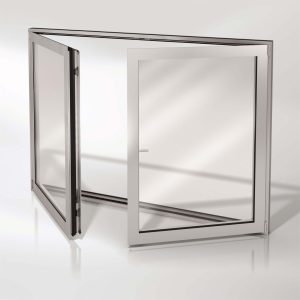
A French window is a paired window that opens from the centre, with two sashes hinged at the sides and opening outward, or sometimes inward, without a central mullion dividing the glass. The absence of a central bar is the defining characteristic that sets French windows apart from a standard double casement – the full-width opening created when both sashes swing open is unobstructed from top to bottom, giving maximum ventilation and a wide, clear view.
In the UK market, French windows and French doors are closely related and often used interchangeably. The distinction lies primarily in height and floor relationship: a French window typically sits above floor level like a conventional window, whilst a French door extends to floor level and can be walked through as a door. On rear elevations opening onto gardens, terraces, and patios, the two terms describe the same architectural intention – a large, paired, outward-opening glazed element that connects the interior to the outside.
A brief history of French windows in London
French windows arrived in England in the 17th century, carried over from France where Renaissance architects had developed the style from classical Italian and Roman influences. Their appeal was immediately practical as well as aesthetic – in an era before electric lighting, the large glazed area dramatically increased natural light in principal rooms, whilst the outward-opening paired sashes created a generous opening onto gardens, courtyards and terraces.
By the Georgian and Regency periods, French windows featured regularly in the grander London townhouses and country villas, particularly on garden elevations and opening onto balconies and terraces, where the connection to the outside was a mark of refinement. In contemporary London architecture, they remain a popular choice for rear extensions, garden rooms, and kitchen-dining spaces where the connection to the outdoor living area is a design priority.
Types of French windows
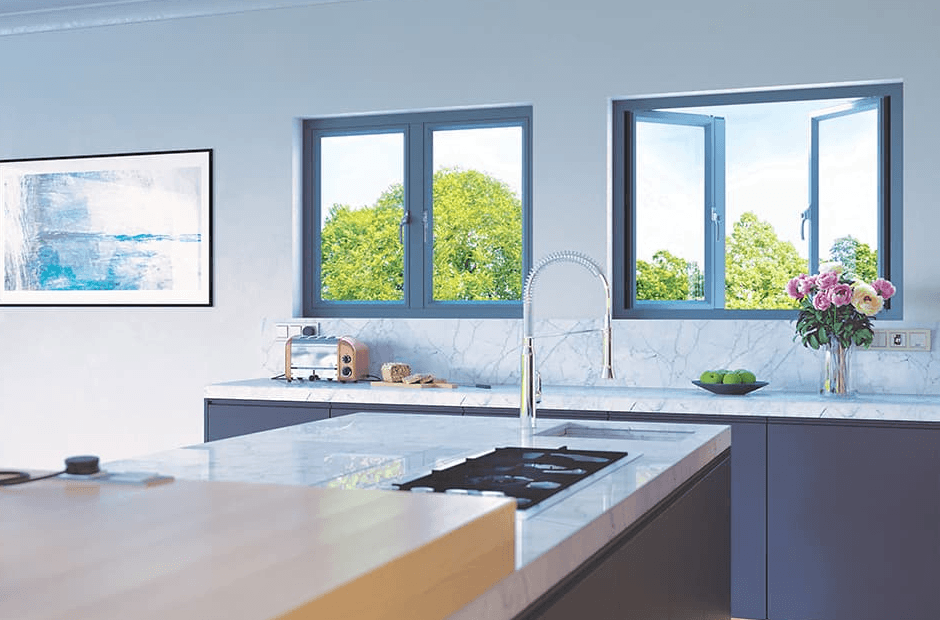
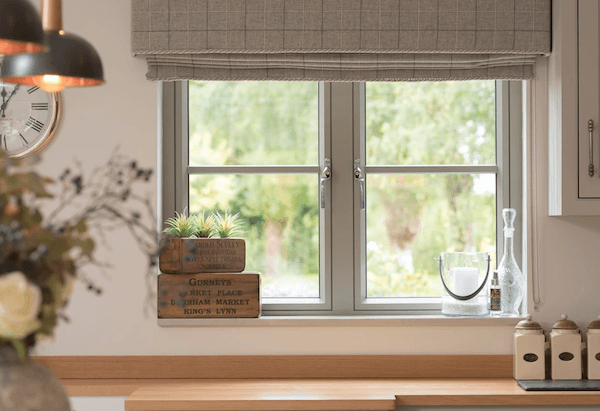
We work with leading manufacturers and brands to supply a full range of French window configurations for London homes:
-
Outward-opening French windows
The classic configuration. Both sashes hinge at the sides and swing outward from the centre, creating a wide unobstructed opening. The most common format for rear elevations opening onto gardens and terraces across London.
-
Inward-opening French windows
Sashes open inward into the room. Suited to positions where external clearance is restricted, where window boxes or planting sit on the outside ledge, or where a Juliet balcony or railing sits directly beyond the frame.
-
French windows with glazing bars
Traditional divided-light configurations with horizontal and vertical glazing bars creating a grid of individual panes. Associated with Georgian, Regency and Victorian townhouse architecture and widely accepted in conservation areas.
-
Full-height French windows
Sashes that extend to floor level, functioning as both windows and doors. The standard choice for ground-floor rear rooms opening directly onto a garden, patio or decked terrace.
-
First-floor French windows with Juliet balconies
Full-height sashes opening onto a railing or glass balustrade at first-floor level. Popular across contemporary London extensions and new builds, and on rear elevations of Victorian and Edwardian properties.
The brands we work with







Benefits of French windows
French windows offer a distinct combination of aesthetic and practical advantages that have kept them relevant in London architecture across four centuries:
-
Maximum light and openness
The large glazed area and unobstructed opening flood the room with natural light and create a visual connection between the interior and the outside space.
-
Wide, unobstructed opening
With no central mullion in the way, both sashes open fully to create a generous, walkable gap that works as both a window and an informal door.
-
Excellent natural ventilation
Opening both sashes creates a wide, full-height channel for airflow, rapidly ventilating the room on warm days.
-
Timeless architectural character
French windows suit an exceptionally wide range of property types, from Georgian townhouses and Victorian rear additions to contemporary kitchen-dining extensions and garden rooms.
-
Connection to outdoor living
Particularly valued in London, where rear gardens, terraces and decked spaces are an extension of the living area for much of the year. A well-positioned pair of French windows makes the transition between inside and outside seamless.
-
Versatile specification
Available in outward or inward-opening configurations, with or without glazing bars, and in a range of heights from standard window proportions to full floor-to-ceiling formats.
-
Energy efficient when correctly specified
Modern French windows with thermally broken frames and double or triple glazing can comfortably achieve the thermal performance required under current building regulations.
When French windows are the right choice
French windows suit a wide range of situations across London properties:
Rear rooms opening onto a garden or terrace – the most natural position. A ground-floor kitchen, dining room or sitting room gains enormously from a pair of French windows opening directly onto the garden.
Kitchen-dining extensions – where the architect or homeowner wants a connection to the outside that is more intimate and characterful than a wide sliding or bifold system.
Period properties – where the traditional paired glazed opening suits the architectural character of the building far better than a sliding patio door or bifold.
First-floor rooms with Juliet balconies – full-height French windows paired with a glass or metal balustrade bring light and outside air into first-floor bedrooms and studies without requiring a full balcony structure.
Conservation areas – French windows with glazing bars and timber or composite frames are widely accepted in conservation areas and for listed buildings where the original window type was a paired casement or French light.
Rooms where an outward-opening casement already suits the elevation – French windows share the same outward-opening mechanism as a casement, so they are a natural upgrade where more ventilation and a larger opening are wanted.
Available in a range of materials
-
Timber French windows
The most characterful and heritage-accurate option. Available in engineered redwood, Accoya and oak with factory-applied microporous finishes in a full RAL colour range. Accoya is particularly well suited to south or west-facing rear elevations where weather exposure is greatest.
-
Aluminium French windows
Thermally broken aluminium frames with slim contemporary profiles. The most durable and low-maintenance option, suited to modern kitchen-dining extensions and contemporary rear elevations. Brands we work with include Reynaers, Cortizo and Schüco.
-
Composite French windows
Alu-clad systems from Velfac and Rationel combining a natural timber interior with a durable aluminium exterior. The ideal balance of character, performance and low maintenance for London homes.
Finishes, hardware and security
Finishes & colours
French windows are available across a full RAL colour range in all materials. Dual colour finishes are a popular choice for London period properties – a classic white, cream or off-white interior alongside anthracite grey, sage green, heritage black or any RAL shade externally. Timber interiors can be lacquered to show the natural grain or painted to complement the interior scheme.
Glazing options
All French windows we supply are available with:
Double glazing – the standard specification for most London homes, meeting current Part L building regulation requirements and comfortably covering double glazing windows near me searches.
Triple glazing – triple glazed window units for positions facing busy roads, rail lines or where maximum thermal performance is required.
Acoustic glass – laminated acoustic units that reduce outside noise in urban and high-traffic locations – particularly relevant for London rear gardens facing railway lines or busy streets.
Hardware & security
French windows are fitted with multi-point locking systems engaging at multiple points around both sashes. Traditional hardware options include espagnolette bolts, monkey tail handles and flush bolts for the secondary sash, whilst contemporary systems use ergonomic bar handles with concealed multi-point locking. All French windows we supply can be specified to PAS 24 security standards. Additional options include key-lockable handles and night vent positions.
Posted on GoogleTrustindex verifies that the original source of the review is Google. A good and personal service. Linas is approachable and does whatever he can to meet our needs. The fitters are friendly and professionalPosted on GoogleTrustindex verifies that the original source of the review is Google. Linas provided an excellent service from start to finish with the supply and installation of our VELFAC windows. He was professional, knowledgeable and always easy to communicate with. The installation was completed to a very high standard, and we are extremely happy with the final result. Highly recommended!Posted on GoogleTrustindex verifies that the original source of the review is Google. We hired Citi Homes to replace a window with a new door into our garden. The communication was great from the start, their quote was competitive, and they resolved all our queries. They told us what they were going to do, when, and then they delivered exactly what we agreed on time. Their team was very professional and hard working. We are very pleased with the result and how Citi Homes conducted themselves. I'm saving their number for any future works we might have to do, as I've had plenty of bad experiences with bad contractors before... it's a pleasure when you finally find someone that knows their trade, are proud of their work and accountable.Posted on GoogleTrustindex verifies that the original source of the review is Google. Did a great job installing and making good, very clear about timelines and what was going to happen, would recommendPosted on GoogleTrustindex verifies that the original source of the review is Google. Very happy with the service provided from Linas and his team at Citi Homes Windows. We had to replace 3 fire damaged Velfac windows over 22 years old , it was a challenge getting all the right specifications but from enquiry to ordering, and shipping the whole process was made easy because of their professionalism, I would definitely recommend Citi Homes Windows
FAQ
Both open from the centre on paired side hinges and create a wide unobstructed opening. The key distinction is height and floor relationship. French windows sit above floor level like a conventional window, whilst French doors extend to floor level and can be walked through. In practice, on rear elevations opening onto gardens and terraces, the two terms are often used interchangeably.
Yes, in many cases. French windows with glazing bars and timber or composite frames with period-accurate profiles are widely accepted by planning authorities in London conservation areas and for listed buildings. We recommend checking with your local planning authority before proceeding.
Yes. Any glazing below 800mm from floor level must be toughened or laminated safety glass under Part K of the building regulations. For full-height French windows extending to floor level, the entire glazed area must be specified as safety glass throughout.
Yes, when correctly specified. Modern French windows use multi-point locking systems that secure both sashes at multiple points around the frame. All French windows we supply can be specified to PAS 24 security standards. The secondary sash is typically secured with flush bolts at top and bottom in addition to the main locking handle.
Yes. Modern French windows with thermally broken frames and double or triple glazing comfortably meet current building regulation requirements for thermal performance. Inward-opening configurations can achieve particularly good airtightness as the sashes compress against the frame seal when closed.
Costs vary depending on material, size, glazing and specification. Timber French windows sit at the premium end, whilst aluminium offers a competitive price point for contemporary designs. Contact us for a tailored windows installation price.