- +44 20 80 88 58 88
- info@citihomeswindows.co.uk
- Unit 3, Alpine Business Center, Eastbury Road, London E6 6LP

Menu
Sash Windows
London’s most iconic window, reimagined for modern living.
Sash windows are inseparable from the character of London’s streets. From the Georgian terraces of Islington and Marylebone to the Victorian semis of Clapham and Hackney, the vertical sliding sash window has defined the appearance of the capital’s housing stock for over 300 years. Today, modern sash windows deliver the same elegant proportions and authentic appearance that period properties demand, combined with the energy efficiency, security, and low maintenance that contemporary homeowners expect.
What is a sash window?
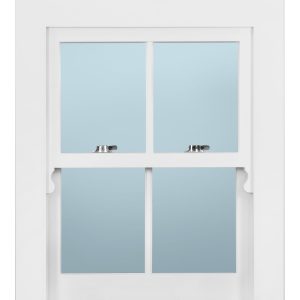
A sash window consists of one or two movable panels, called sashes, that slide vertically within a frame. Unlike a casement window, which opens outward on a hinge, a sash window slides up and down, keeping the opening entirely within the footprint of the frame. This makes it particularly well-suited to London properties where narrow pavements, neighbouring walls, or planning requirements make an outward-opening window impractical or unacceptable.
The traditional mechanism uses a system of weights, cords, and pulleys concealed within a box frame – a design that has remained largely unchanged since the late 17th century. Modern sash windows replicate this classic construction with engineered precision, using spring balances or weight-and-pulley systems depending on the specification, and incorporating double or triple glazing, draught-proofing seals, and multi-point locking as standard.
A brief history of sash windows in London
Sash windows first appeared in England in the late 1600s, with one of the earliest known examples found at Ham House in Richmond. They became the dominant window style throughout the Georgian period, characterised by elegant six-over-six pane arrangements that reflected the symmetry and order of classical architecture. As glass-making technology improved during the Victorian era, larger panes became affordable, and sash windows evolved into the two-over-two and four-over-four designs still seen across vast swathes of inner London today.
By the turn of the 20th century, sash windows were the most common window type across the UK. Whilst their popularity declined after the First World War as casement windows grew in favour, demand has risen significantly in recent decades – driven by conservation area requirements, heritage restoration and a renewed appreciation for traditional London architecture.
Types of sash windows
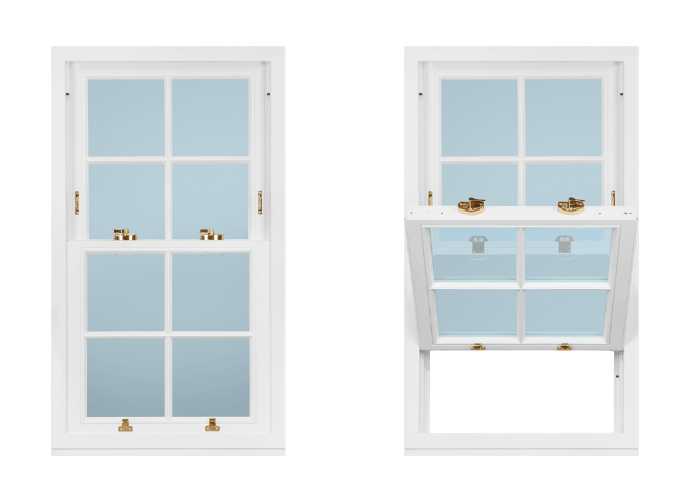
We work with leading manufacturers and specialist brands to supply a full range of sash window styles for London homes:
-
Box sash windows
The traditional sash box window construction, with weights, cords and pulleys concealed within a hollow box frame. The most authentic choice for period properties and conservation areas.
-
Spiral balance sash windows
A modern alternative to weight-and-pulley systems, using concealed spring balances within a slimmer frame. Easier to install in renovation projects and better suited to double-glazed units.
-
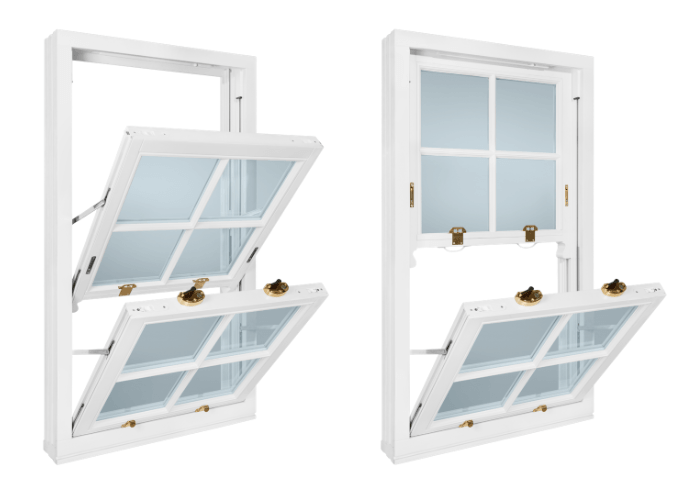
Tilt sash windows
Both sashes tilt inward for easy cleaning from inside the property, making them practical for upper floors and properties without external window-cleaning access.
-
Timber sash windows
The traditional and most widely specified material for timber sash windows in conservation areas and listed buildings across London.
-
Aluminium sash windows
Slim, contemporary aluminium windows sash designs for modern builds and renovations where a clean, low-maintenance finish is preferred.
The brands we work with







Benefits of sash windows
Sash windows offer a distinct set of advantages that explain their enduring popularity across London, particularly for period and heritage properties:
-
Authentic period appearance
No other window replicates the proportions, sightlines and character of a traditional London terrace as naturally as a vertical sliding sash.
-
Planning - friendly
Sash windows are the most widely accepted window type in conservation areas and for listed buildings across London. Planning authorities frequently specify them as the required style for principal front elevations.
-
Natural ventilation without projecting
Both upper and lower sashes can be opened simultaneously to create a convective airflow, warm air exits through the top, cooler air enters at the bottom, without the window projecting outward into the street or a walkway.
-
Space efficient
Because sash windows slide within the frame, they do not require clearance on either side of the opening, making them ideal for rooms where furniture sits close to the window or where the external space is restricted.
-
Kerb appeal and property value
Well-specified sash windows are consistently cited as a feature that enhances the kerb appeal and market value of period London properties.
-
Energy efficiency when upgraded
Modern double glazed sash windows with draught-proofing seals can reduce heat loss by up to 60% compared to single-glazed originals.
-
Longevity
Well-maintained timber sash windows can last 60 years or more. Many original Georgian and Victorian examples are still in service today.
When sash windows are the right choice
Sash windows are the natural and often the only appropriate choice in the following situations:
Victorian, Georgian, and Edwardian properties – particularly on principal front elevations where the original window style defines the character of the building and the street.
Conservation areas – over 1,000 conservation areas exist in London alone. In most of these, sash windows are the required or strongly preferred style for period properties.
Listed buildings – timber sash windows that replicate the original design, proportions, sightlines, and glazing bar details are typically required for listed building consent.
Properties facing a street or pavement – because they do not open outward, sash windows present no obstruction to pedestrians or passing traffic.
Rooms where the period character matters – front reception rooms, bay-fronted living rooms, and master bedrooms where the sash window is a key part of the room’s visual identity.
House window replacement projects – where restoring the property’s original appearance is a priority alongside improved performance.
Available in a range of materials
-
Timber sash windows
The most widely specified material for period properties in London. Available in engineered redwood, Accoya and hardwood. Accoya is increasingly accepted in conservation areas for its outstanding dimensional stability and durability.
-
Composite sash windows
Combine the authentic timber interior profiles required by conservation officers with a durable aluminium exterior. Available from brands including Velfac and Rationel.
-
Aluminium sash windows
A contemporary interpretation of the sash style with very slim aluminium frames. Best suited to modern homes, rear elevations and new builds rather than traditional period facades.
Finishes, hardware and security
Finishes & colours
Timber sash windows are factory-finished using microporous paints and stains in a full RAL colour range, including the traditional heritage whites, creams, and off-whites most commonly seen across London period properties. Dual colour finishes, with a different shade inside and out, are available for homeowners who want a contemporary external colour while retaining a classic painted finish inside.
Glazing options
All sash windows we supply are available with:
Double glazing – the standard specification for most house window replacement projects in London.
Triple glazing – triple glazed window units for properties near busy roads, rail lines or where maximum thermal and acoustic performance is required.
Acoustic glass – laminated acoustic units that reduce outside noise in urban locations, particularly useful for properties on main roads and near transport corridors.
Hardware & security
Sash windows are available with traditional ironmongery including sash lifts, fitch fasteners, Brighton fasteners and monkey tail pulls, as well as modern security hardware meeting PAS 24 standards. Locking sash fasteners, key-lockable systems, and restrictors for child safety are all available. Draught-proofing brush pile seals are fitted as standard on all quality sash windows we supply, significantly improving thermal and acoustic performance without altering the window’s external appearance.
Posted on GoogleTrustindex verifies that the original source of the review is Google. A good and personal service. Linas is approachable and does whatever he can to meet our needs. The fitters are friendly and professionalPosted on GoogleTrustindex verifies that the original source of the review is Google. Linas provided an excellent service from start to finish with the supply and installation of our VELFAC windows. He was professional, knowledgeable and always easy to communicate with. The installation was completed to a very high standard, and we are extremely happy with the final result. Highly recommended!Posted on GoogleTrustindex verifies that the original source of the review is Google. We hired Citi Homes to replace a window with a new door into our garden. The communication was great from the start, their quote was competitive, and they resolved all our queries. They told us what they were going to do, when, and then they delivered exactly what we agreed on time. Their team was very professional and hard working. We are very pleased with the result and how Citi Homes conducted themselves. I'm saving their number for any future works we might have to do, as I've had plenty of bad experiences with bad contractors before... it's a pleasure when you finally find someone that knows their trade, are proud of their work and accountable.Posted on GoogleTrustindex verifies that the original source of the review is Google. Did a great job installing and making good, very clear about timelines and what was going to happen, would recommendPosted on GoogleTrustindex verifies that the original source of the review is Google. Very happy with the service provided from Linas and his team at Citi Homes Windows. We had to replace 3 fire damaged Velfac windows over 22 years old , it was a challenge getting all the right specifications but from enquiry to ordering, and shipping the whole process was made easy because of their professionalism, I would definitely recommend Citi Homes Windows
FAQ
Original single-glazed sash windows with worn seals can be draughty, but this is a maintenance issue rather than an inherent design flaw. Modern replacement sash windows are fitted with brush pile draught-proofing seals and double glazing as standard, and can reduce heat loss by up to 60% compared to original single-glazed units. If you are restoring rather than replacing, draught-proofing and glazing upgrades alone can make a significant difference to comfort and energy bills.
In most standard residential properties, like-for-like replacement does not require planning permission. However, if your property is in a conservation area or is listed, you will likely need consent. Many London boroughs also have Article 4 Directions that remove permitted development rights in sensitive streets and areas. We recommend checking with your local planning authority before proceeding.
Yes. Modern timber sash windows and composite sash windows are available with double and triple glazing as standard. Heritage slim-profile double glazed units are also available, replicating the visual appearance of original single glazing whilst meeting current building regulations for thermal performance.
Well-specified timber sash windows with quality finishes and regular maintenance can last 60 years or more – many original Georgian and Victorian sash windows are still in service today. All sash windows we supply come with a manufacturer's warranty for added peace of mind.
A sash box window uses the traditional weight-and-pulley system, with cast iron or lead weights concealed in a hollow box frame. It is the most historically accurate option and often specified for listed buildings. A spiral balance sash uses concealed spring balances within a slimmer frame – easier to fit in renovation projects and better suited to heavier double-glazed units. Both operate in the same way from the outside.
Yes – timber is the most widely accepted and frequently required material for sash windows in London conservation areas. Modern engineered timbers such as Accoya are increasingly accepted by planning authorities because they deliver superior durability whilst allowing authentic profiling and detailing.