Victorian home window replacement in London and the regulations behind it
Victorian homes are a standout architectural icon in London’s streets. It’s appreciated by the people and cared for by the...
Read More →

London is a busy city with a very heavy presence of public transport and cars. The square mile of London’s city centre is one of the loudest places in the UK and Europe.
There are 2,6 million cars in London, and 6 million daily journeys, as stated by Transport for London, which just shows how much London’s homes and people get exposed to traffic noise. When we take into consideration other sources of sound pollution like public transport, aeroplanes, and loud emergency services, it causes the city to exceed WHO safe sound pollution levels.
There are a lot of concerns coming out from the scientific community about the actual impact of noise pollution on London’s residents’ health. It’s been identified that high levels of sound increase heart rate, blood pressure, and inflammation in the body. This, over time, increases the risk of heart attack, stroke and premature death. There are growing concerns that impacts on sleep and increased anxiety are not the worst part of this problem, but also increased risk or worsening of diabetes and ischemic heart disease, as stated by Gov UK. These statements really highlight the importance of understanding how to manage this issue and minimise the impact, at least in your home.
It was claimed by Dr. Foraster that anything above 53 decibels is damaging to your heart. If you’re exposed to these levels during sleep, or throughout the day at your home, you should be concerned and explore ways to reduce it.
Also, it’s been found that London has the most road, rail, and air traffic noise compared to the rest of England. This naturally affects London’s homes and their residents, which calls for solutions to minimise the impact.

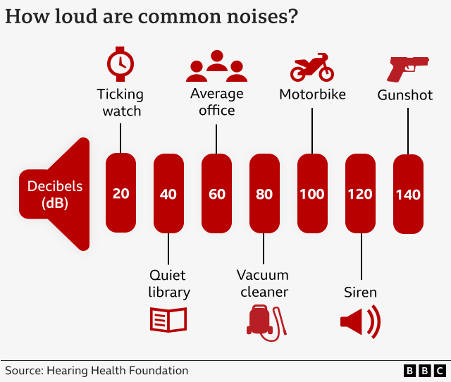

You may not be able to protect yourself when outside or in public transport, but there are a few options for homeowners to minimise the negative impact of excessive sound coming from outside.
It’s important to assess the quality of your current windows and their seals. The window frame and its seal quality are as important as the actual glass, so having a combination of good-quality thick double or triple glaze and a good-seal frame can make a significant difference.
Regarding the frame itself, aluminium is quite rigid, so it can transmit more sound to the house compared to timber windows or composite windows (aluminium and timber frames). Also, the actual quality of the installation plays a vital role in achieving the desired result. So, making sure you work with certified and accredited installers is key.
People tend to assume that triple glazing is the best option is automatically the best solution. More layers of glass don’t mean less noise. In reality, acoustic glazing is often more effective because it is specifically engineered to reduce sound transmission rather than simply improve thermal performance. Acoustic laminated glass can outperform standard triple glazing when external noise is the primary concern. It also tends to be thicker, which is another major factor in reducing noise.
So how does acoustic glass work? Specialist acoustic glass uses the thickness and has a laminate that absorbs the soundwave, and this combination reduces the noise coming into the home. If you currently have bad windows or low-quality single glazing windows, even a change to double or triple glazing with a good frame and seal will make a difference. If you are living next to a busy road or a railway route, consider looking into acoustic windows.
Obviously, there are other contributing factors in a home, like wall insulation and the quality of the front door. Still to this day, a lot of London homes have old wooden doors with poor seals, which doesn’t help with noise reduction. If you’re annoyed by the noise and looking to replace the old windows, also double-check your front doors and explore options to seal the deal with excess noise for good.
It’s clear that noise pollution is not going away soon, and protecting your home from it has to be taken into consideration if health and a good night’s sleep are prioritised in the household. Good-quality windows will provide a reasonable reduction in noise, but if you have an unwanted source of noise next to your home, you should consider specialist acoustic glass, which will take the reduction a step further.
Living in a sound-polluted area of London and looking for ways to reduce noise levels?